
Real Estate Photography: A Strategic Guide to Visual Asset Creation in 2026
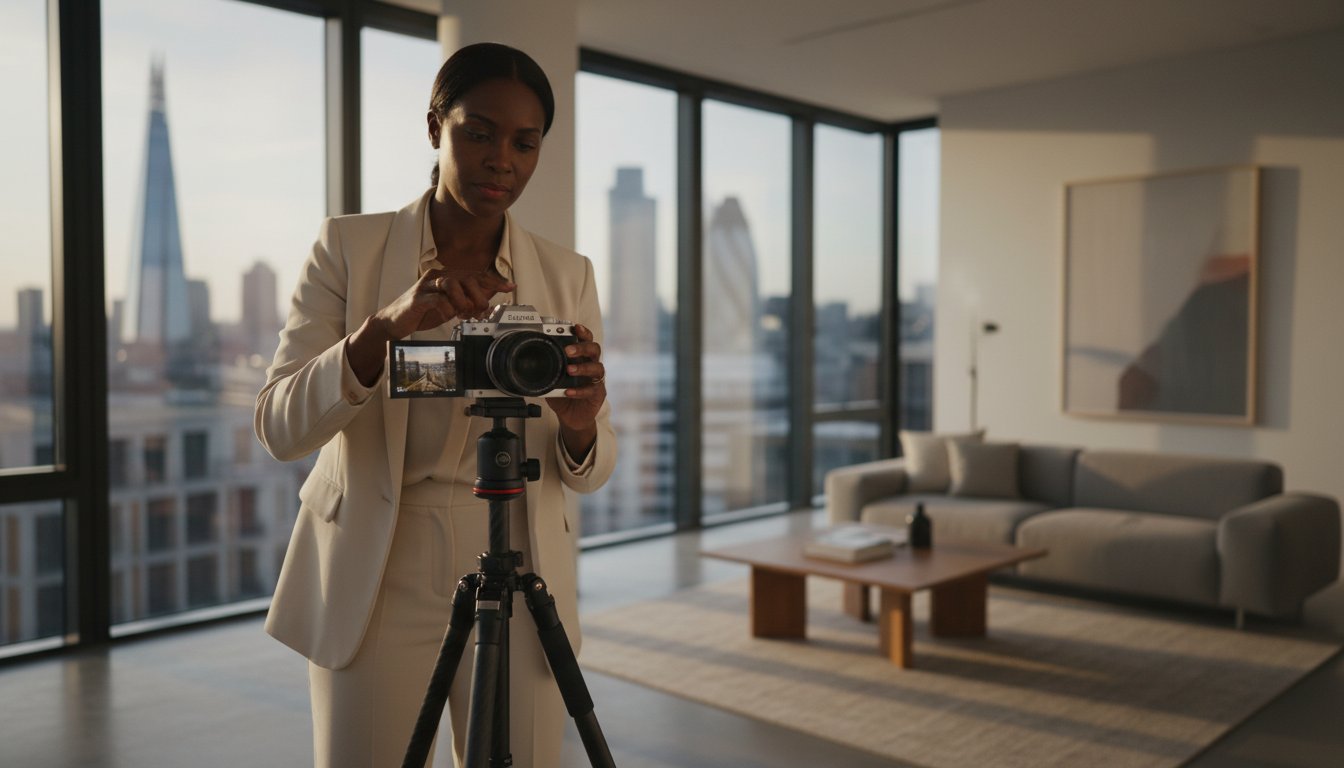
Your property portfolio's visual identity is no longer a mere marketing expense; it is a quantifiable driver of brand equity that dictates your market position in the UK's 2026 landscape. You likely recognise the frustration when a £1.5 million listing fails to generate the digital engagement it deserves because the real estate photography lacks a cohesive narrative. It's difficult to justify premium fees to stakeholders when your digital presence feels fragmented. Visuals are your silent ambassadors. We understand that a lack of visual synergy doesn't just hurt a single sale; it dilutes the perceived value of your entire brand.
This guide transforms your approach to imagery from a simple listing requirement into a high-value strategic asset that accelerates transaction times and builds long-term trust. Data from 2024 Rightmove industry benchmarks indicates that listings with high-end visual storytelling receive 93% more enquiries, yet few firms treat these images as significant intellectual property. We'll examine how to build a systemised visual language that creates a sense of flow across your entire portfolio and establishes a lasting competitive advantage in a digital-first market.
Key Takeaways
- Shift your perspective to treat property imagery as a high-value strategic asset that builds long-term brand equity rather than a simple marketing expense.
- Uncover the psychological "halo effect" where premium real estate photography directly elevates the perceived quality of a build and resonates emotionally with the 2026 digital-first buyer.
- Distinguish between standard high-volume imagery and bespoke art direction to ensure your post-production enhances reality without compromising authenticity.
- Apply a rigorous framework for property presentation that moves beyond basic cleaning to strategic staging and the deliberate use of natural light.
- Learn how to seamlessly integrate visual assets into your business website design to align internal teams and project a cohesive, professional brand identity.
Beyond the Lens: Why Real Estate Photography is a Strategic Business Asset
Visual representation in the UK property market has evolved from a simple marketing necessity into a core component of brand equity. Investors and developers who viewed high-end imagery as a discretionary expense in 2022 now recognise it as a critical financial lever. In 2026, the distinction between a commodity listing and a premium asset lies in the intentionality of its visual narrative. When a portfolio maintains a consistent, high-fidelity aesthetic, it ceases to be a collection of buildings and becomes a statement of institutional reliability. This shift reflects a deeper understanding of how visual assets function as a store of value, influencing everything from loan-to-value ratios to the speed of capital recycling.
What is Strategic Real Estate Photography?
Strategic real estate photography transcends mere documentation. While standard photography aims to show a room, a strategic approach seeks to communicate a lifestyle and a brand promise. It integrates Architectural Photography Principles such as precise perspective control and light manipulation to evoke specific emotional responses. For a developer, this means the 'look and feel' of a single development must mirror the overarching corporate strategy. Whether the goal is to signal sustainable luxury or urban efficiency, the imagery acts as the primary vehicle for that message across multi-channel marketing collateral, ensuring the brand remains coherent from a LinkedIn post to a physical site hoarding.
The Shift to Digital-First Property Discovery
The buyer journey in the UK now begins almost exclusively on digital platforms, with 98% of initial property searches occurring via mobile devices or desktop portals. This first digital touchpoint creates an immediate psychological anchor. If the visuals are poor, a 'trust deficit' occurs instantly; a gap between the asking price and the perceived quality that is nearly impossible to bridge later. High-quality real estate photography mitigates this risk by reflecting the lived experience rather than just the floor plan. Data from 2025 industry reports indicates that listings with professional art direction receive 61% more views than those using standard documentation, directly correlating professional visuals with increased asset liquidity.
The Psychology of Space: How Visual Cues Influence Buyer Behaviour
The human brain is hardwired to seek safety, comfort, and status in its physical environment. In the context of the 2026 property market, real estate photography serves as the primary bridge between a physical structure and the psychological needs of a potential investor. The 'halo effect' plays a critical role here; it's a cognitive bias where the perceived quality of one aspect, such as a stunning architectural shot, spills over to the entire asset. If the imagery feels premium, the viewer instinctively assumes the build quality, the materials, and the underlying management are of an equally high standard.
Visual storytelling now requires a nuanced approach to target specific buyer personas. For the ESG-conscious investor, the focus shifts from grand staircases to the subtle textures of sustainable materials or the integration of natural light in communal areas. This isn't about mere documentation. It's about crafting a narrative of value and responsibility. Human-centric photography, which incorporates signs of life or purposeful movement, helps buyers envision the flow of daily operations, making commercial spaces feel vibrant rather than sterile.
The Science of First Impressions
Cognitive studies indicate that the brain processes architectural imagery in less than 50 milliseconds. Within this micro-window, a viewer has already formed a baseline opinion on the property's worth. Colour palettes are essential in this process; cool blues and greys evoke a sense of professional calm in office developments, while warmer tones suggest domestic security. Recent research on the effectiveness of real estate photography confirms that professional visuals don't just capture attention; they dictate the emotional engagement levels that lead to faster decision-making. By using focal points to guide the eye toward 'hero' features, photographers can control the viewer's journey through the space, ensuring the most valuable assets are the first to be noticed.
Visual Identity and Market Positioning
Consistency is the foundation of brand authority. High-growth developers ensure their photography style aligns perfectly with their visual identity design services to create a recognisable signature style. Whether it's a specific approach to lighting or a preference for minimalist composition, this art direction helps a firm stand out in a saturated market. A 2025 analysis of UK residential listings showed that properties featuring a 'lifestyle' focus, rather than a purely architectural one, saw a 22% increase in high-quality lead generation. This shift reflects a move toward emotional resonance, where the goal is to sell an experience rather than just a postcode. Understanding these dynamics is essential for any firm looking to refine its strategic market presence and build lasting trust with its audience.
Technical Excellence vs. Strategic Art Direction
High-volume photography firms often prioritise throughput over narrative. This factory-style approach treats a £2,000,000 London townhouse the same as a studio flat, stripping away the unique architectural story. True real estate photography requires a shift from technical execution to strategic art direction. It's about how a space feels, not just how many megapixels the sensor captures. While a technician focuses on sharpness, a creative consultant focuses on the emotional resonance of the frame.
The Pitfalls of High-Volume Property Photography
The "cheap and fast" model creates a generic market presence that dilutes brand equity. When images are over-processed with aggressive AI HDR, they often look like plastic renders rather than authentic homes. Recent real estate photography industry studies indicate that while volume is high, 80% of buyers prioritise the quality and authenticity of listing photos over the sheer quantity of shots. Poor lighting and distorted wide-angle shots create a "hall of mirrors" effect that misrepresents high-value assets. This leads to "viewing fatigue," where physical viewings fail to match the digital promise. The cost of a lost sale or a forced price reduction far outweighs the £300 saved on a budget shoot.
Elevating the Standard: The Strategic Checklist
Strategic art direction starts long before the shutter clicks. It requires a pre-shoot creative brief that defines the narrative of the space. Is the property a sanctuary for a growing family or a trophy asset for an international investor? Brand strategists should lead this process, ensuring every frame integrates into the wider property marketing services framework. This ensures the visual assets aren't just pretty pictures, but tools for conversion that speak to the specific desires of the target demographic.
- Lighting plans that respect the time of day and the natural flow of light through the property.
- Composition that prioritises human-scale perspectives over distorted ultra-wide angles.
- Drone and 3D technology used to explain context and proximity, not just for a superficial "wow" factor.
- Post-production that subtly enhances natural colours without losing the texture of materials.
Equipment is a baseline, but the "eye" for brand-aligned composition is the true differentiator. A 2024 analysis of premium UK listings showed that properties using bespoke art direction saw 24% more engagement than those using standard high-volume services. By focusing on the human touch, agencies build a level of trust that survives the digital first impression. It's not about hiding flaws; it's about highlighting the soul of the architecture.
Orchestrating the Shoot: A Framework for High-Value Property Presentation
Precision in real estate photography requires more than a high-resolution sensor. It demands a synchronised effort between the photographer, the brand manager, and the site operations team. A successful shoot is a logistical ballet where timing, light, and spatial psychology converge to create a narrative. High-end real estate photography isn't merely about documenting a room; it's about capturing the potential energy of a space. This requires a rigorous framework that ensures every frame serves the broader commercial objective.
Strategic Staging and Curation
The Workflow of a Professional Commission
The process starts with a meticulous site walkthrough. This isn't a casual stroll; it's a diagnostic phase where we identify the "Hero Shots" that will lead your digital and print campaigns. These are the three to five definitive images that encapsulate the property's soul. Collaborating with a real estate marketing agency at this stage ensures that the visual output aligns perfectly with your brand equity goals.
Once the shoot is live, the focus shifts to timing. Light is the architect's silent partner. We schedule key shots for the "golden hour" to reinforce brand warmth and human connection. The workflow follows a strict path:
- Pre-shoot briefing: Aligning internal communications to ensure site readiness and staff cooperation.
- Capture phase: Executing the shot list with a focus on technical excellence and creative flair.
- Post-production: Managing colour grading and tonal balance to maintain a consistent brand aesthetic.
Internal communications are the unsung hero of this process. If the facilities team hasn't been briefed on window cleaning or the removal of temporary signage, the shoot's efficiency plummets. A 15% delay in shoot time often results from simple site unreadiness, which can be avoided through a clear internal checklist. Final delivery of digital assets should be more than a link to a folder; it should be a strategic handover of assets ready for immediate deployment.
Ready to elevate your property's visual presence with a professional strategy? Discover how our strategic approach creates lasting value.
Integrating Visuals into a Cohesive Property Brand Strategy
Visual assets are the silent architects of a firm's identity, bridging the gap between physical structures and digital presence. When real estate photography is executed with strategic intent, it serves as the foundation for strategic business website design and development. A 2024 analysis of UK property portals indicated that listings with professional imagery receive 61% more views; however, the value extends far beyond the initial click. High-calibre visuals align internal teams with the company’s overarching vision, creating a shared sense of purpose. When staff see their projects captured with such precision, it reinforces a culture of excellence and professional pride.
This alignment isn't just about external perception. It's about internal clarity. A cohesive visual strategy ensures that every department, from sales to site management, understands the standard the brand represents. By closing the loop between the physical asset and the digital representation, firms drive both immediate conversion and long-term brand loyalty. It's a shift from selling a space to inviting an audience into a defined, high-value world.
The Asset Library: More Than Just a One-Off Shoot
- Repurposing high-end photography for internal training programmes ensures that every new hire understands the brand's quality benchmarks from day one.
- Using process-driven imagery in PR kits builds trust with local planning authorities and community stakeholders.
- Creating evergreen content reduces long-term marketing expenditure by providing a ready-to-use archive for multi-channel storytelling.
By humanising the brand through "work-in-progress" visuals, companies build a narrative of transparency and reliability. This approach transforms real estate photography from a transactional cost into a scalable business asset that supports the entire organisational lifecycle.
Partnering for Long-Term Success
The UK property sector is moving away from fragmented freelance engagements toward integrated creative partnerships. This transition reflects a need for consistency that occasional shoots can't provide. A strategic partner understands the commercial nuances of your portfolio and ensures that every frame captured supports long-term scalability and brand equity. You can learn more about Flow Advisory's methodology, which treats visual storytelling as a core component of organisational health.
By 2026, the distinction between a simple property listing and a lifestyle brand will have largely disappeared. Success belongs to those who view visual storytelling as a continuous dialogue with their audience. It's about creating a flow of information that feels natural, professional, and deeply rooted in the values of the business. When visuals are integrated into a broader strategy, they don't just show a property; they define the future of the firm.
The Future of Property Visualisation
Success in the 2026 market depends on your ability to transcend simple documentation. Strategic real estate photography functions as a psychological bridge between a physical structure and a buyer's aspirations. It requires a move away from generic shots toward a framework that prioritises art direction and brand alignment. Industry data indicates that professional visual assets can reduce time on market by 32% while supporting a premium price point. This isn't just about a single shoot; it's about building a cohesive visual identity that resonates across every digital and physical touchpoint.
Flow Advisory operates as a UK-wide strategic consultancy specialising in brand strategy and visual identity. We provide an integrated approach to digital and internal communications, ensuring your property brand remains consistent and compelling. Our expertise helps you navigate complex business processes by focusing on the human dynamics that drive high-value transactions. We don't just create images; we build the strategic foundation for your long-term success.
Elevate your property brand with Flow Advisory's strategic creative services
Your property deserves a narrative that commands attention and inspires confidence.
Frequently Asked Questions
How much should I invest in real estate photography for a premium development?
You should allocate approximately 1% to 1.5% of your total marketing budget to high-end real estate photography. For a development with a Gross Development Value (GDV) of £5 million, this represents a strategic investment of £5,000 to £7,500. This capital ensures that the visual narrative aligns with the premium positioning of the asset. It's not just a cost; it's a foundational element of your brand's perceived value in the competitive 2026 market.
Can high-quality photography actually increase the sale price of a property?
Professional imagery can increase the final sale price by 3% to 7% compared to listings with amateur visuals. A 2024 analysis of UK residential transactions found that homes priced between £500,000 and £1 million sold for an average of £12,000 more when marketed with high-quality real estate photography. High-calibre visuals create an immediate emotional connection. This psychological anchor often leads to more competitive bidding environments and shorter days-on-market metrics.
What is the difference between architectural photography and real estate photography?
Architectural photography prioritises the designer’s intent and the building's relationship with its environment, often requiring 4 to 8 hours for a single composition. In contrast, real estate photography is a commercial tool designed to facilitate a transaction by showcasing flow and functionality. While an architectural shoot might produce 5 hero shots for a portfolio, a real estate session delivers a comprehensive suite of assets for active listings. Each serves a distinct purpose in your broader asset management strategy.
How many photos do I really need for a comprehensive property marketing campaign?
A comprehensive marketing campaign requires 25 to 40 high-resolution images to maintain engagement across digital platforms. Research from Rightmove indicates that listings with more than 10 photos receive 50% more clicks than those with fewer. You need enough variety to tell a complete story without becoming repetitive. For a standard four-bedroom property in London, 30 curated shots allow for a logical walkthrough experience that respects the buyer's time.
Should I use virtual staging or physical staging for my photography shoot?
Physical staging is the superior choice for premium assets because it maintains the "flow" during in-person viewings. While virtual staging is 80% more cost-effective for initial digital interest, it creates a cognitive dissonance when buyers visit a cold, empty space. For developments over £1.5 million, we recommend physical staging to anchor the lifestyle promise. This tangible experience reduces the mental effort required for a buyer to realise their future in the property.
How do I ensure my property photography stays consistent across my entire brand?
Consistency is achieved through a rigorous visual style guide that dictates lighting ratios, colour temperatures, and composition angles. You should implement a centralised editing workflow where every image undergoes the same 12-step post-processing sequence. This ensures that a penthouse in Manchester and a townhouse in Chelsea feel like part of the same curated portfolio. Standardised visual assets build institutional trust and make your brand instantly recognisable in a crowded marketplace.
What is the best time of day to photograph a commercial property in the UK?
The optimal window for UK commercial properties is during the "Blue Hour," roughly 30 minutes before sunrise or after sunset. In British latitudes, the soft, diffused light of a June morning at 05:00 reduces harsh shadows on glass facades and concrete. This timing allows internal lighting to glow warmly against the exterior, creating a sophisticated, high-contrast look. It avoids the flat, grey aesthetics often associated with midday overcast conditions in the British climate.